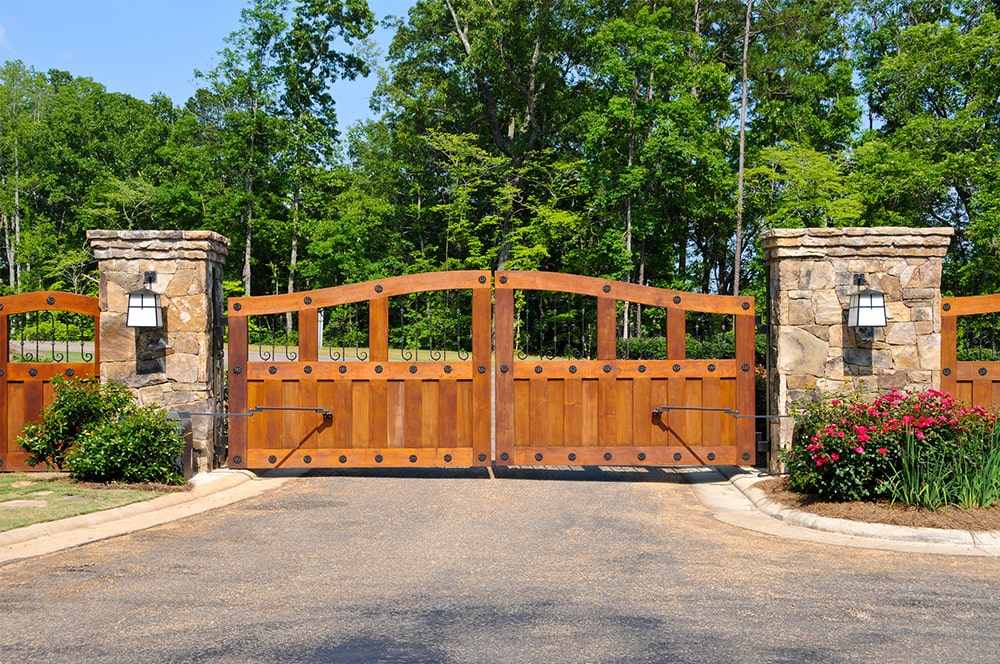
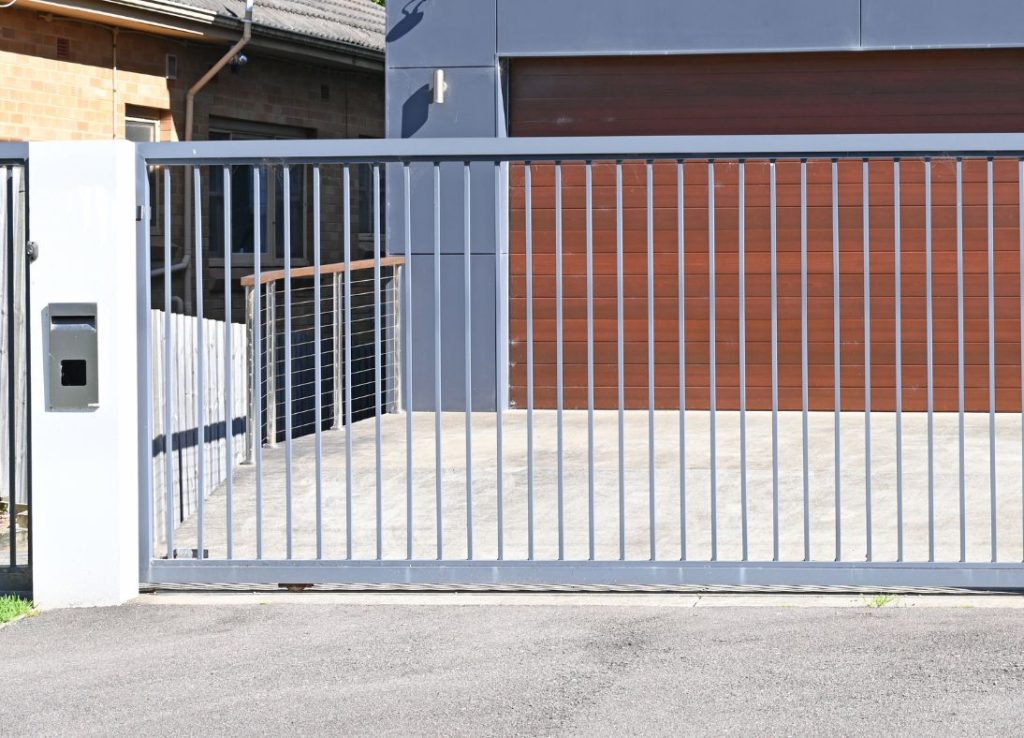
Many homeowners searching for professional gate installation denton services focus on how the gate looks from the street. They choose the color. They choose the design. They choose the pattern. What often gets missed is what happens below the ground. That hidden part is where the $3,000 mistake usually begins.
At Metro Gate Repair, we repair many denton gate installation projects that failed because the structure underneath was not built the right way. A driveway gate denton homeowners install should open smoothly, close evenly, and stay level for many years. When it does not, the cause is usually not the paint or the design. The cause is almost always structural.
Below are the most common mistakes we see with denton driveway gates and how those mistakes slowly turn into expensive repairs.
Improper Post Depth in Denton’s Expansive Clay
Denton, Texas has expansive clay soil. Clay expands when it gets wet. Clay shrinks when it dries out. This constant movement pushes and pulls on gate posts year after year.
When gate post depth is too shallow, the soil movement starts to tilt the post slowly. Even a small shift at the bottom becomes a large lean at the top.
Shallow footings often lead to:
Posts that lean slightly after heavy rain and then shift again during dry heat, creating slow but steady movement
Gates that no longer latch correctly because the alignment changes a little each season
Hinges that begin to carry uneven weight, which causes metal fatigue over time
Concrete collars that crack at the surface as the soil expands and presses outward
Clay soil gates require deeper excavation than many homeowners expect. A standard 24-inch footing might work in other areas, but Denton soil needs deeper embedment. Most residential gate denton installations perform better with posts set 36 inches or deeper, depending on the weight and width of the gate.
When the post is not deep enough, the repair later involves re-digging, re-pouring concrete, and rehanging the gate. That repair alone can cost thousands.
Ignoring Wind Load Calculations for Wide Driveways
North Texas wind can be strong, especially across open driveways. Wide custom driveway gates act like large panels catching air.
If wind load calculations are skipped, stress builds on the hinges and operators every time a strong gust hits the gate.
This often causes:
Hinges that twist slowly under repeated wind pressure over several seasons
Operators that strain during opening cycles when wind resistance increases the load
Posts that rotate slightly inside the concrete when wind torque becomes excessive
Weld joints that begin to crack from repeated flexing
Steel gate installation must account for wind exposure. Solid panel designs catch more wind than open picket styles. Denton automatic gates that are wide and heavy require reinforced posts and hinges rated for added wind stress.
Ignoring wind pressure does not cause instant failure. It causes slow damage that shows up later as sagging or binding.
Underestimating Gate Weight-to-Motor Ratios
The motor is one of the most stressed components in automatic gates denton homes use daily. If the motor is not rated for the weight of the gate, it works harder every cycle.
When the operator is undersized, problems build up gradually.
Common results include:
Slower opening speeds that become more noticeable over time
Jerky movements when the motor struggles against excess weight
Overheated internal gears during hot Texas summers
Circuit boards that fail earlier than expected due to constant strain
A heavy steel gate installation must be matched with a motor that can handle both the static weight and dynamic wind resistance. Many homeowners upgrade to heavier decorative gates after choosing a motor. That mismatch leads to early motor burnout.
Replacing a failed operator often costs far more than selecting the correct capacity from the start.
Concrete Curing Timelines Most Contractors Rush
Concrete needs time to gain strength. It does not reach full structural capacity in a few days.
When gates are hung too soon after pouring concrete, the weight places stress on partially cured footings.
This rushed process can cause:
Small internal cracks inside the concrete that are not visible at first
Posts that shift slightly before the concrete fully hardens
Anchor bolts that loosen as the concrete compresses under early load
Long-term instability that appears months after installation
Concrete typically requires about 28 days to reach its strongest condition. Loading a heavy driveway gate denton homeowners depend on too early weakens the foundation. That weakness may not show immediately, but it appears later as leaning posts.
Electrical planning is often treated as a minor detail. It should not be.
Improper conduit routing can lead to serious issues in denton automatic gates systems.
Common mistakes include:
Conduit buried too shallow, which allows soil movement to crush or shift the line
Poor sealing that allows water intrusion into electrical wiring
Voltage drop caused by long wire runs without proper gauge selection
Limited space for future smart upgrades because conduit was not sized properly
When conduit fails beneath a driveway, repairs require trenching through concrete or asphalt. That repair alone can approach several thousand dollars.
A well-planned denton gate installation includes properly sleeved conduit, correct burial depth, and weather-sealed junction boxes.
Improper Hinge Selection for Heavy Steel Gates
Hinges carry constant load pressure every single day. Undersized hinges slowly bend under weight.
When hinge capacity is too low for the gate:
The gate begins to sag slightly at the latch side
Bottom corners scrape the driveway during opening
Weld points around hinge plates begin to weaken
Frame members twist from uneven load distribution
Steel gate installation requires hinges rated above the actual gate weight. Adjustable hinges allow fine tuning as soil shifts. Fixed hinges provide no correction once sagging begins.
Many denton driveway gates fail at hinge welds because the hinges were not chosen correctly for the load.
Looking for Professional Gate Repair You Can Depend On?
We provide prompt service and guaranteed quality. Call Now (972) 947-9559
Drainage Oversights Around Gate Footings
Water is one of the most damaging forces around concrete footings.
Poor drainage near posts often results in:
Water pooling around the base after storms
Soil erosion beneath the concrete collar
Rust forming on internal rebar reinforcement
Gradual weakening of the concrete structure
Clay soil retains water longer than sandy soil. Without proper grading, moisture builds pressure around the post base. Over time, that pressure shifts alignment.
Residential gate denton installations should include sloped grading that directs water away from footings.
Failing to Plan for Future Automation Upgrades
Some homeowners begin with manual gates and later decide to upgrade to automatic gates denton properties commonly use for security and convenience.
If planning was not done in advance, problems arise.
Common upgrade challenges include:
No conduit path available for low voltage wiring
Posts not reinforced for operator arm mounting
Insufficient power supply near the driveway entrance
Limited compatibility with modern smart access controls
Installing conduit sleeves and extra capacity during the first steel gate installation costs less than retrofitting later.
Choosing Aesthetic Design Over Structural Reinforcement
Decorative elements can make custom driveway gates look impressive. But design should not replace strength.
When structural reinforcement is reduced for appearance:
Frames twist under heavy wind pressure
Decorative panels vibrate and loosen welds
Sagging appears sooner due to lack of cross-bracing
Long spans bend slightly over time
Internal bracing supports the visible design. Without that internal structure, even expensive gates lose alignment.
A driveway gate denton homeowners choose should balance visual appeal with internal strength.
Improper Alignment on Sloped Denton Driveways
Many Denton homes sit on sloped driveways. That slope changes the geometry of gate movement.
Improper alignment on slopes can cause:
Bottom edges hitting the pavement during opening
Uneven clearance gaps that look misaligned
Operators that strain when lifting uphill weight
Hinges that experience uneven torque pressure
Correct denton gate installation accounts for driveway pitch, swing direction, and clearance angles.
Ignoring slope calculations leads to scraping and early wear.
Skipping Soil Compaction Testing Before Installation
Soil compaction affects long-term stability. Loose soil shifts more easily under weight.
If compaction is skipped:
Posts settle unevenly during the first year
Concrete collars crack from shifting pressure
Gate alignment changes gradually
Operator arms bend due to constant correction strain
Clay soil gates require layered compaction during backfill. Mechanical tamping reduces air pockets and increases stability.
Skipping this step may save time on installation day, but it increases repair costs later.
Long-Term Cost Analysis of Shortcuts
Small savings during installation often turn into large expenses later.
Examples include:
Saving a few hundred dollars on shallow footings but spending thousands on post replacement
Choosing a lower capacity motor to reduce cost but replacing it within two years
Skipping drainage grading and later repairing eroded concrete bases
Using basic hinges that require welding repairs after sagging begins
These small shortcuts add up quickly. The combined corrections often exceed $3,000 within a few years.
Denton driveway gates should be engineered for soil movement, wind exposure, and daily mechanical stress. Metro Gate Repair frequently repairs residential gate denton systems that were installed without proper planning.
Frequently Asked Questions (FAQ)
How deep should gate posts be in Denton, Texas?
Posts are commonly set between 36 and 48 inches deep, depending on soil and gate size.
Why do clay soil gates shift over time?
Clay expands when wet and shrinks when dry, creating repeated movement that affects shallow posts.
How long should concrete cure before hanging a gate?
Concrete gains most of its strength around 28 days, which helps prevent early structural stress.
Can I upgrade to denton automatic gates later?
Yes, but planning conduit and power during the original installation reduces future cost.
What causes hinges to fail?
Undersized hinges or poor weld support create gradual sagging under constant load.
A properly installed driveway gate denton homeowners depend on should open smoothly in summer heat, heavy rain, and strong wind. The $3,000 mistake usually starts underground where it cannot be seen. Building the foundation correctly protects your investment and prevents repeated repair bills for years to come.