
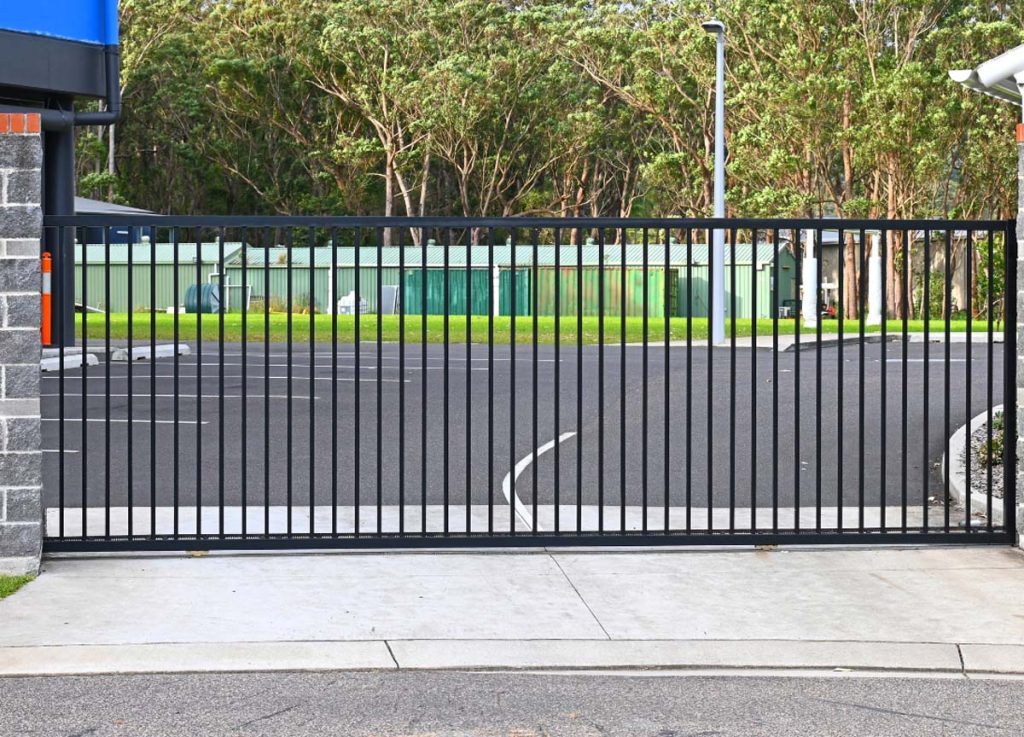
If your property relies on a secure and functional entry system, and you’re searching for fast, expert-level gate repair Bedford, Metro Gate Repair has your back. Our recent work with a Bedford-based business demonstrates exactly why commercial gate repair isn’t something you can delay or overlook. When access grinds to a halt—literally—we’re the ones who show up fast and fix it right the first time.
What Happened at the Bedford Business
Just before 8:00 a.m. on a high-traffic weekday, a large commercial facility in Bedford, Texas, experienced a sudden automatic gate stuck issue. The gate, a steel sliding model that secures the employee parking and loading dock, stopped functioning during the start of peak operations. Employees and delivery trucks were unable to enter or exit safely, creating a serious disruption that could have resulted in financial losses and logistical nightmares.
The business owner contacted Metro Gate Repair for immediate help, understanding the urgency of resolving business gate issues before they snowballed into security concerns and productivity loss. Given our reputation for same day gate repair, our team was mobilized and on-site within the hour.
Initial Symptoms the Client Reported
During the initial call, the property manager described several symptoms that had appeared over the previous week. These details gave us a useful head start before arriving on site:
- Grinding noises during the gate’s open and close cycles, suggesting mechanical friction or a possible misalignment in the metal track. These sounds were growing progressively louder over time.
- Sluggish gate movement, particularly during closing, which hinted at a strain on the gate opener or internal components such as the motor, gear assembly, or track rollers.
- Random halts during movement, where the gate would pause halfway through its operation, requiring manual resets to resume. This is often a sign of sensor miscommunication or motor overheating.
- Complete failure on the day of the call, where the gate became fully stuck in the closed position, rendering the entire entry unusable. No manual overrides or emergency switches responded.
This combination of issues strongly indicated a deeper mechanical problem that went beyond just a software glitch or temporary obstruction. It was a clear call for emergency gate service.
On-Site Assessment: Our First 15 Minutes
Once our lead technician arrived, the first 15 minutes were focused on rapid diagnostics and safety checks to stabilize the scene. This fast-response inspection included:
- Power and electrical integrity test: We verified the gate’s power supply and looked for signs of short circuits, blown fuses, or tripped breakers. Gate opener repair often begins with eliminating basic electrical faults.
- Visual inspection of track and rollers: We identified a rust buildup and physical deformities in the metal track, which were contributing to the gate’s restricted motion and uneven sliding.
- Sensor and limit switch evaluation: We checked that the safety sensors were aligned and functional. Misaligned sensors can disable a gate entirely to prevent unsafe operation.
- Testing gate opener functionality: The gate opener unit emitted an error code indicating overload, which further confirmed a burned-out motor or jammed gear mechanism.
- Manual disengagement trial: We attempted to place the gate into manual mode, but even then, the unit resisted movement—evidence that friction or warping was physically blocking movement.
This rapid yet comprehensive assessment gave us a clear understanding of the situation and allowed us to move forward with a targeted repair strategy.
Identifying the Root Cause
After a thorough breakdown, our team pinpointed multiple contributing factors behind the gate’s failure:
- Corroded metal track: The steel track that guided the sliding motion had significant rust damage, especially at the lower base where water runoff tended to pool. This corrosion led to rough movement and roller drag, adding mechanical resistance with every use.
- Motor burnout: The increased strain on the opener’s internal motor had led to overheating. The gear assembly inside the opener was showing clear signs of wear, and the motor failed to complete a cycle without tripping a fail-safe.
- Sensor misalignment: Safety sensors were knocked out of alignment, possibly due to a minor collision with a delivery vehicle. Misaligned sensors often cause a gate to interpret false obstacles, locking the system for safety.
These combined issues explained both the earlier signs (slow movement, grinding) and the eventual full breakdown. Proper metal gate troubleshooting and component analysis allowed us to design a repair plan immediately.
Immediate Safety Protocols for the Client
Before beginning full repairs, we made it a priority to keep the property secure and employees safe. Here are the steps we took:
- Manually locked the gate in a closed position using temporary clamps and metal rods to prevent unauthorized access.
- Isolated electrical power to the opener and motor, ensuring there was no live current during inspection or repair work, which reduced shock hazards and damage risks.
- Placed cones and safety markers to redirect employees and trucks to a designated temporary entrance, minimizing confusion and safety incidents.
- Briefed the business owner and site supervisor on the risks, timelines, and repair stages to manage expectations and ensure transparency.
Even during emergency gate service, we never skip safety. Our clients deserve protection from both operational risks and physical hazards.

Emergency Troubleshooting Without Replacement
Rather than wait days for part shipments, we leveraged our experience in commercial gate repair to get the system partially working with what we had on hand:
- Cleaned and treated the corroded track using industrial-grade rust remover and lubricant, which significantly reduced the resistance during gate movement.
- Reset and partially reprogrammed the gate controller, bypassing damaged cycles and optimizing motor current draw to allow basic operation without tripping errors.
- Re-aligned and recalibrated the sensors, bringing them back into perfect communication with the control board.
- Installed a temporary backup battery system, ensuring functionality while minimizing stress on the failing motor.
This interim solution gave the client a working gate while we planned for a full replacement of damaged components. Keeping businesses running while we work is central to our mission.
Equipment Used in the Repair
For this job, we deployed a range of high-grade tools and materials to facilitate both diagnostics and hands-on repairs. These included:
- Electric multimeter for voltage and resistance readings throughout the opener’s wiring system.
- Universal control board programmer to reset error codes and reconfigure operation settings for temporary usability.
- Portable welder and hand grinder to repair and smooth minor track deformities.
- Track lubricant and corrosion inhibitors, specifically formulated for outdoor use in Texas weather.
- Infrared sensor calibrator for fast and accurate realignment of safety systems.
Each of these tools is essential for delivering reliable, efficient gate opener repair and security gate fixes in both temporary and permanent repair scenarios.
Coordinating With Business Hours
To minimize business disruption, we scheduled the majority of the heavy work—motor replacement, track section swap, and full testing—after operating hours. Our team:
- Worked in coordination with the warehouse manager to select low-traffic hours.
- Brought in portable lighting to enable safe after-hours work without interfering with employee or vehicle movement.
- Installed silent-mode tools when possible to avoid disturbing any on-site teams still working indoors.
This flexible scheduling was key to delivering a same day gate repair result without interfering with the client’s logistics and productivity.
Long-Term Fix and Replacement Parts
Once emergency measures were in place, we returned with the permanent repair components, which included:
- New high-capacity gate motor, rated for commercial use and built for heavy-duty cycles.
- Reinforced steel track sections to replace the rust-damaged segments and ensure smooth operation over time.
- Upgraded weatherproof control box with surge protection, reducing future electrical vulnerabilities.
- Premium-grade infrared sensors with a longer detection range and improved weather resistance.
These upgrades were designed for optimal long-term performance, dramatically reducing the chances of future automatic gate stuck issues.
Post-Repair Testing and Calibration
After all parts were installed, we entered the final phase—calibration and testing. Our process included:
- Running over 30 full open/close cycles to verify smooth operation and detect any signs of hesitation or abnormal resistance.
- Sensor tests using objects of varying sizes to confirm safety stops and obstacle detection were functioning properly.
- Limit switch adjustment, ensuring the gate stopped exactly where it should on both ends of the track.
- Auto-close feature configuration, customizing the timing to match the client’s preferences and security policies.
The final system passed all safety and performance checks. We left the site confident that the property was once again fully protected.
Business Owner Feedback and Review
The client expressed deep appreciation for the level of service, transparency, and results. He remarked:
“Metro Gate Repair was a lifesaver. They didn’t just fix the gate—they kept our business moving and made sure we’d never have to deal with a situation like this again. Their team was professional, fast, and extremely knowledgeable.”
This kind of feedback validates our commitment to quality service and confirms why we’re the top choice for Dallas Fort Worth gates repair services.
Preventive Maintenance Plan for the Future
To avoid future breakdowns, we developed a custom preventive maintenance plan, tailored to the site’s usage and gate type. The plan includes:
- Quarterly professional inspections, covering electrical, mechanical, and software components.
- Routine cleaning and lubrication of all moving parts to minimize wear and prevent corrosion.
- Monthly sensor checks performed by staff with our quick-reference guide.
- Annual motor stress testing to preempt overheating or burnout conditions.
- Emergency response priority status, ensuring faster turnaround if anything ever goes wrong again.
This plan not only reduces downtime risks but also extends the life of every component, delivering better ROI on all gate systems.
Frequently Asked Questions (FAQ)
Q: What’s the fastest way to fix a stuck commercial gate?
A: If your automatic gate is stuck, start by checking the power and sensor alignment. If it still doesn’t work, call us for emergency gate service.
Q: How quickly can you respond in Bedford?
A: We offer same day gate repair across Bedford, TX, and surrounding areas in most cases.
Q: Do you handle both manual and automatic gates?
A: Yes, we service all gate types, including swinging, sliding, and barrier arm systems. We’re fully equipped for commercial gate repair jobs of any complexity.
Q: What causes commercial gate failure most often?
A: Usually a mix of corrosion, overuse, electrical failure, and lack of maintenance. That’s why regular service is essential.
Q: Can I sign up for a service plan?
A: Absolutely. We offer preventive maintenance agreements for commercial clients who want long-term reliability.
Need help right now? Trust Metro Gate Repair for fast, expert-level gate repair in Bedford and beyond. Whether you’re dealing with an emergency failure or long-term wear and tear, we’re ready with the tools, talent, and timing to make it right.
