If you’re planning a gate installation in Grapevine, Metro Gate Repair in Grapevine, Texas is the local team that knows how to build strong gates that work well with growing vine roots. Living near vineyards is nice, but when it’s time to install a gate, we have to think about the vines in the ground too. The roots underground grow wide and deep, and that can change the way we build the foundation. This guide helps you see why root growth matters and what can be done to keep your gate strong for many years.
Studying the Growth Patterns of Grapevine Root Systems
Grapevines grow in a special way. Their roots don’t just grow straight down. They stretch out sideways first and then go deep later.
The roots keep growing, especially when they find water. If there’s a gate nearby, the roots might grow under it or beside it, pushing on the gate foundation without you even seeing it.
In Texas vineyard homes, many people enjoy how pretty vines look. But under the soil, the roots move and grow over time. That movement is called vine root pressure. If the gate footings are shallow or not built well, that pressure can cause cracks or make the gate lean.
To stop problems later, we first study where the vines are and how far their roots might grow. This helps plan the gate’s foundation the right way from the start.
Root-Resistant Foundation Design for Gate Stability
Roots are strong. If the gate’s foundation is not built with that in mind, the roots can lift the posts or move them sideways.
So we use special designs for the foundation that help it stay still even when roots push nearby. This is called root-resistant foundation planning.
For a grapevine property gate, we may dig deeper holes for the posts. We might also use pier-style foundations that go below where most roots grow. When the bottom of the post is deeper than the roots, it’s harder for them to move the gate.
To keep gate stability Texas homeowners need, we also make the base wide enough to spread out the pressure. That way, even if the roots push, the gate doesn’t budge.
Soil Behavior in Vine-Dense Areas of Grapevine
The soil in Grapevine, Texas, is rich in organic material. That means it has a lot of living and broken-down plants in it. That kind of soil moves more than dry, sandy soil.
When there’s water, the soil can puff up. When it dries out, it shrinks. This is called vineyard soil movement, and it makes it hard for gates to stay level unless we prepare for it.
If your gate sits on top of soil that changes shape a lot, it might tilt or shift over time. We test the soil before installing the gate to see how loose or packed it is. That helps us decide how deep and wide to build the gate footings.
Looking for Professional Gate Repair You Can Depend On?
We provide prompt service and guaranteed quality. Call Now (972) 947-9559
Long-Term Planning for Root Encroachment Prevention
Roots don’t stop growing. They keep going year after year. That’s why we plan not just for now but also for later.
We use root barrier design to keep roots from reaching the gate. This barrier can be made from strong plastic or metal and is placed in the ground between the vines and the gate.
The barrier tells the roots to grow somewhere else. It doesn’t hurt the plant. It just changes their path. That way, you get strong vines and a strong gate at the same time.
This kind of planning helps your gate last longer, even when the grapevines get older and their roots grow farther.
Choosing Post Materials That Resist Moisture Retention
In Grapevine, there’s a lot of moisture in the air and in the ground, especially near grapevines. That means we need to use moisture resistant posts.
Posts made from cedar wood, galvanized steel, or powder-coated metal work well. They don’t soak up water, so they won’t rot or get weak over time.
If you use the wrong kind of post, it can hold water. That makes it soft and easy for roots to crush. The right materials keep the gate standing straight, even in damp soil.
Creating Subsurface Barriers Without Damaging Nearby Vines
You can put a root barrier in the ground without hurting the vines. We do this by digging small trenches carefully, just deep enough to block the roots.
The barrier is placed vertically, between the grapevine and the gate. It stays hidden underground, and the vines keep growing happily.
This step is important because it protects both the gate and the vineyard. If done right, the vines won’t even notice it’s there.
Adapting Gate Footing Depth to Account for Root Pressure
Some roots grow shallow, and some grow deep. In Grapevine, grapevines have both types. So, we have to dig deeper footings when we build gates.
The structural gate footing needs to be below the active root zone. That usually means 3 feet or more, depending on the soil test.
If the footing is too shallow, roots can lift it over time. That’s how gates become uneven or stop closing properly. Deep footings help the gate stay level, even with vine root pressure all around.
Drainage Path Design to Reduce Soil Expansion
Water plays a big part in how soil moves. If water collects near your gate, the soil gets soft and pushes up. This can hurt the foundation.
We fix that by planning drainage path design that moves water away. That could mean adding gravel under the posts or using pipes that guide rainwater away from the gate.
With good drainage, the soil stays stable, and the roots don’t grow where they shouldn’t. That helps your gate stay strong and straight.
Preventing Lateral Shifting From Vine Root Spread
Roots don’t just go down. They also spread sideways. If they push against the side of the gate posts, they can move the whole structure little by little.
We stop that by adding lateral bracing. These are side supports that keep the post from leaning or twisting. We also use anchor plates that hold the posts firmly in the ground.
This helps stop lateral shifting before it starts. It’s another way to build smarter in areas where vines grow close to your gate.
Monitoring Foundation Stability Over Seasonal Growth Cycles
Vines grow more in spring and summer. They rest in the winter. That means the roots move more in some seasons than others.
We recommend checking your gate twice a year. Look for cracks near the posts, hinges that feel stiff, or signs that the gate is not swinging the same way as before.
Even a little change can mean that the roots are pushing or the soil is shifting. Catching it early means easier fixes and lower costs.
Integrating Gate Designs That Complement Vineyard Landscapes
A gate doesn’t just need to be strong. It should also look nice with the vineyard around it.
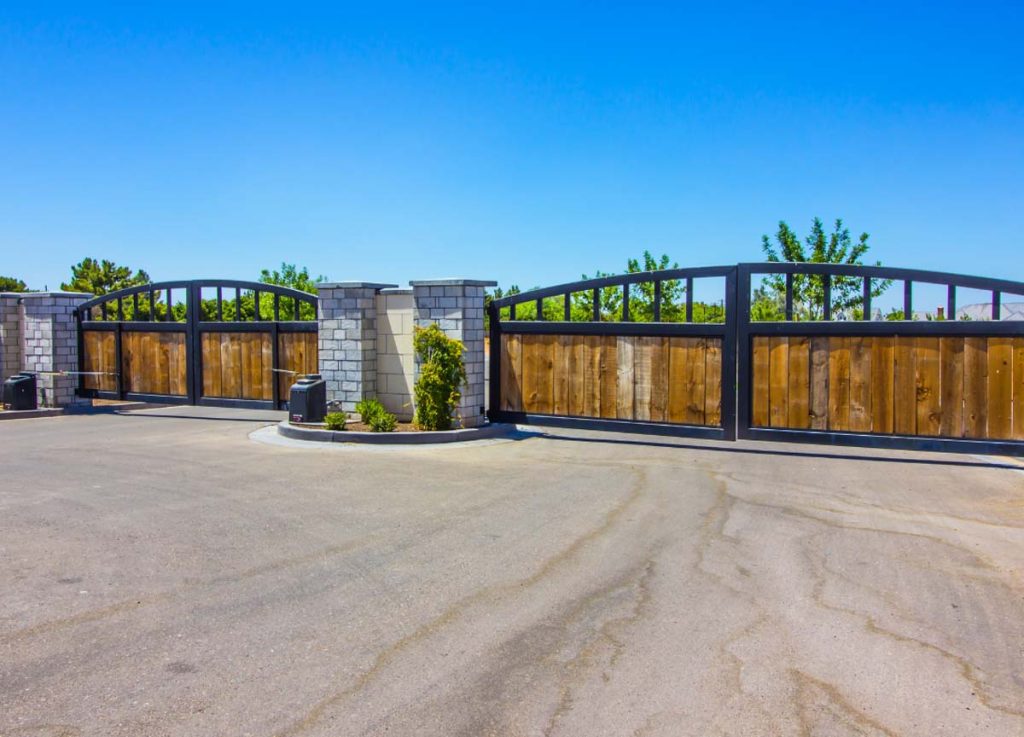
In Texas vineyard homes, people like gates that match the style of the land. That might mean using wood and metal together, or choosing curved tops that look like the arch of the vines.
Using earth-tone paints and finishes helps the gate blend in with the natural colors of the vineyard. This way, your gate looks like it belongs there, not like it was added later.
Environmental Considerations When Working Near Vineyards
When we work near grapevines, we are careful. Heavy machines can squish the soil, and that makes it hard for the roots to breathe.
We use small tools and soft digging methods when we’re close to the vines. We also work in times when the plants are resting, not growing fast.
This protects the health of the vines and keeps the vineyard strong and productive. It’s part of doing the job the right way.
Frequently Asked Questions (FAQ)
Do grapevine roots really cause problems for gate foundations?
Yes, over time the roots can push up or to the side, which affects the gate’s balance. Planning with this in mind avoids big repairs later.
What’s the best way to stop root damage near a gate?
Installing a root barrier design between the vines and the gate is the most helpful. It tells the roots to grow a different direction.
Can you install barriers without hurting the vines?
Yes. We use careful digging and place the barriers at safe distances. The vines keep growing normally.
How deep should my gate footings go in Grapevine soil?
In most cases, 3 feet or more is needed. This puts the footing below the zone where most roots grow and move.
What kind of posts are best for grapevine areas?
Use moisture resistant posts like cedar or powder-coated steel. These hold up well in wet soil and near roots.
Why does soil move so much in vineyards?
The soil has a lot of organic matter. It holds water and changes shape with rain and heat. That causes vineyard soil movement over time.
How can I keep my gate looking nice next to my vines?
Choose styles that match the land, like wood and black metal. Use curved lines and natural colors to fit the vineyard look.
If you’re planning a grapevine gate install, you need more than just good looks. You need a gate that can stand up to roots, moisture, and soil that moves. By using deep structural gate footing, smart foundation planning gate layouts, and moisture resistant posts, your gate can stay strong for many years.
Metro Gate Repair is ready to help. We understand how vines grow and how to build gates that last. From root barrier design to smart drainage and seasonal checks, we keep everything working the way it should. Let’s build a gate that fits your vineyard and stays strong for the long run.