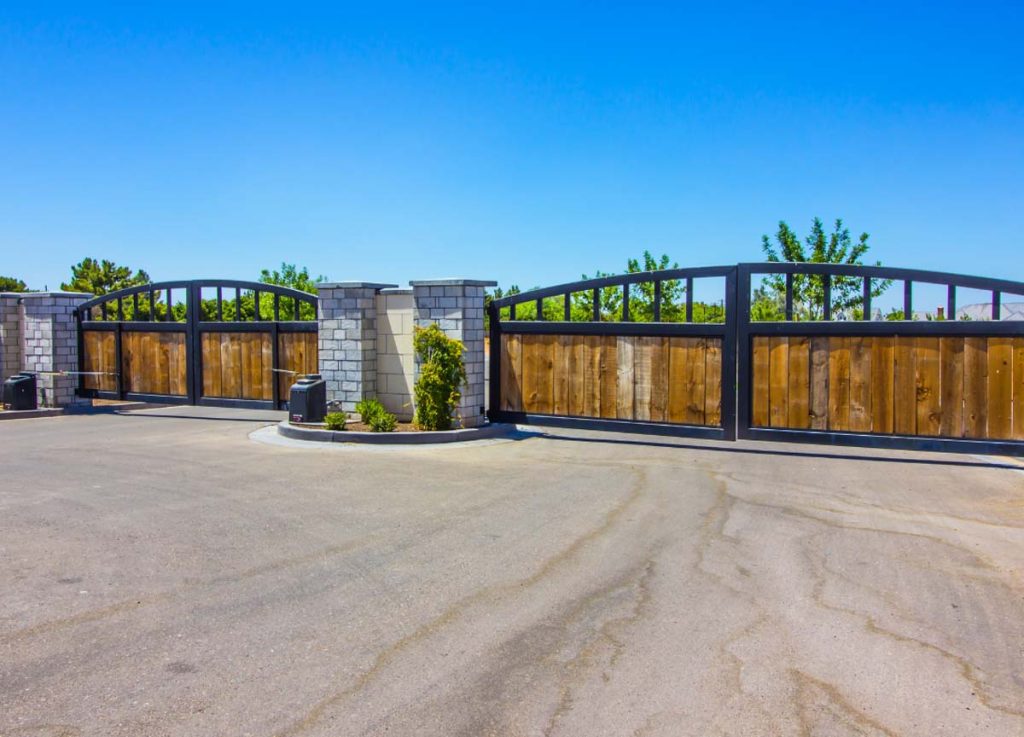
When people talk about gate installation Lewisville, they often think the whole fence has to change too. On many older homes in Lewisville, that is not true. A gate can wear out faster than the fence beside it. The fence may still look right for the house, but the gate may drag, sag, or not close.
At Metro Gate Repair, we see this a lot in Lewisville, Texas. Older homes have a look that feels calm and steady. A new gate should help the home, not fight the home. The good news is that you can get a gate that works well and still fits the old fence.
A New Gate Shouldn’t Erase an Old Home’s Character
An old home has a “face.” The fence is part of that face. So is the gate. When the gate looks too new or too different, it can stand out in a bad way. It can make the whole front feel off, even if the gate is strong.
Many homeowners want a gate that swings smooth and shuts tight. They also want the entry to keep the same feeling it had before. That is the real goal with an older home gate. You want better use, but you also want the gate to look like it belongs.
Why Historic Fencing Deserves a More Careful Approach
Old fences are often not perfect, and that is part of their charm. Posts may lean a little. Boards may not be the same width. Some parts may have small repairs from years ago. If you put a new gate on a weak spot, the fence can shift more over time.
A historic fence gate job needs a gentle hand. The work should focus on the gate area first. If the rest of the fence is doing fine, it should be left alone. This is how you keep the fence line looking like it always has.
Here are a few things that can make older fence lines tricky:
Older posts that are not straight
Wood that has small cracks near the ground
Old fasteners that are loose or rusty
Fence rails that are thinner than new store-bought rails
Reading the Style Language of the Existing Fence
A fence has its own “style language.” That means it has shapes and lines that repeat. When you copy the right parts, the new gate blends in. When you miss them, the new gate can look like it came from a different house.
Start by looking at what your eye sees first. Is the fence tall and light, or short and bold? Are the pickets close together or spaced out? Do the tops make a flat line, a soft arch, or a small point? These clues can guide a fence matching gate that feels natural.
Small details that often matter:
Picket spacing and picket top shape
Rail height and where rails sit on the fence
Trim boards, caps, and edge shapes
Any metal curls, points, or bands
Looking for Professional Gate Repair You Can Depend On?
We provide prompt service and guaranteed quality. Call Now (972) 947-9559
Repair, Blend, or Replace Only What’s Necessary
A broken gate does not always mean a broken fence. Many times, the gate is the part that took the most stress. It gets pushed, pulled, and slammed. Wind can catch it. Pets and kids can lean on it. The fence runs next to it may still be strong.
A smart plan looks at what really needs work. Sometimes you replace the gate leaf only. Sometimes you also fix one post, or a short section beside the hinges. This keeps the rest of the fence in place and keeps the old look around the yard.
For older properties, this “do only what is needed” idea saves the story of the home. It also helps avoid big changes that you did not want in the first place.
Matching Proportions Matters as Much as Matching Materials
People often focus on the material first, like wood or metal. Material matters, but size matters too. A gate can be made from the right wood and still look wrong if it is too thick, too wide, or too heavy.
Proportion is about balance. If the fence is slim, a thick gate frame can look bulky. If the fence is short, a tall gate can feel like it is reaching too high. A traditional entry gate should line up with the fence in a clean way, so the opening looks planned, not patched.
Good proportion choices often include the same top line, similar rail placement, and a frame thickness that matches the fence’s “weight.” When these parts match, the gate feels calm, like it has always been part of the yard.
When New Hardware Needs an Old-Soul Look
Hardware is the working part of the gate. It is also easy to see. Shiny, modern hardware can look strange on an older fence. But very old hardware styles can fail if they are not made well.
A better path is hardware that looks classic but works smoothly. Hinges can be strong and still look simple. Latches can feel old-timey without being loose. Closers can be added in a way that does not grab attention.
If you like a vintage style gate, hardware choices should match that feeling. Dark finishes and simple shapes often look right on older homes.
Preserving Patina While Improving Function
Patina is the soft, aged look that comes with time. It can be in the wood grain, the stain, or the way paint has faded. It can also be in metal, where the color is deep and not bright. Many people want to keep this look, even when they replace the gate.
A new gate can look too fresh at first. That is normal. The goal is to help it settle into the fence line. Color and texture can help. So can small design choices that copy the fence’s old shapes.
A heritage home gate should not look like a new sticker on an old wall. It should look like it belongs in the same picture as the house and the fence.
Subtle Reinforcement Can Extend the Life of Original Fencing
Sometimes the fence is nice to look at, but the gate area is weak. This is common because the gate area carries load. It holds the gate’s weight and takes the force when the gate closes.
Reinforcement can be done in quiet ways. The goal is strength without a new “modern” look. Good reinforcement can help the original fence stay in place for years longer.
A few ways support can be added without changing the outside look:
Strengthening the hinge post from inside or behind
Adding hidden bracing where rails meet posts
Using a stiff gate frame that does not twist
Setting a better footing below the ground line
Choosing Materials That Respect the Home’s Era
Material choice should match the home, the fence, and the way you use the gate. Wood often fits well with older homes that already have wood fencing. Metal can fit well when the home has metal touches, like railings or old porch details.
A custom wood gate is a strong choice when you want to copy picket shapes, trim lines, and wood thickness. Wood can be built to match small details that make an old fence feel special. It can also be finished to match the fence’s color tone.
Metal can also be the right fit. An iron gate lewisville homeowners choose often looks best when it follows simple, classic shapes. Think clean bars, gentle curves, and a dark finish. It can feel old-school without being fancy.
Some homes do well with mixed materials too, like a wood face with a hidden inner frame for strength. The key is that the gate should match the era of the house, not the trends of the moment.
Automation Without a Jarring Modern Presence
Some homeowners want the gate to open with a button, a keypad, or a phone. That can be helpful, even on older homes. The worry is that the motor and parts will look too modern and loud.
Automation can be added in quiet ways. Parts can be placed where they are less visible. Controls can be small and simple. Wires can be run neatly so they do not clutter the fence line.
A gate can still keep a classic gate design feel even with modern help. The trick is to keep the tech in the background, so the home’s look stays front and center.
Color and Finish Choices That Help the Gate Belong
Color is one of the fastest ways to make a new gate blend in. If the fence is warm and faded, a bright new stain can look wrong. If the fence has an old painted look, a glossy new paint can stand out.
Try to match three things: color tone, shine level, and texture. Older fences often look best with lower shine. Many older stains have a softer look too. For metal, darker finishes often feel more at home on older properties than bright silver tones.
When color and finish are chosen with care, the gate stops looking “new” and starts looking “right.”
A Thoughtful Installation Protects More Than the Entry Point
A gate is a small part of the fence, but it changes the way the whole front feels. A well-fit gate can make the fence line look straighter. It can make the entry look tidy. It can also make daily life easier, like keeping pets safe and stopping the latch from failing.
The best lewisville gate installation work for older homes keeps what is good and fixes what is not. It respects the fence, the house, and the way the property has aged. When the gate looks like it belongs, the home keeps its charm, and the upgrade feels natural.
Frequently Asked Questions (FAQ)
Can I replace a gate without replacing the whole fence?
Yes, many times you can. If the fence sections are stable, the work can focus on the gate opening, the posts, and the hardware.
How do I get a gate that matches my old fence?
Look at picket spacing, top shapes, rail lines, and trim details. A builder can copy those parts so the new gate reads like a match. This is how a true fence matching gate is planned.
Is wood always better for an older home?
Not always. Wood is often the easiest match when the fence is wood. Metal can also fit older homes when the style is kept simple and the finish is not flashy.
What if my gate post is leaning?
A leaning post can cause sag and latch problems. It may need a better footing, a post repair, or added support. Fixing the post often helps the whole gate work better.
Can I use old-style hardware without giving up smooth use?
Yes. You can choose hardware that looks traditional but is made to work well, with better hinge movement and stronger latch parts.
Can an automated gate still look right on an older property?
Yes. Automation can be added with low-visibility parts and simple controls so the entry still feels like it fits the home’s age and style.