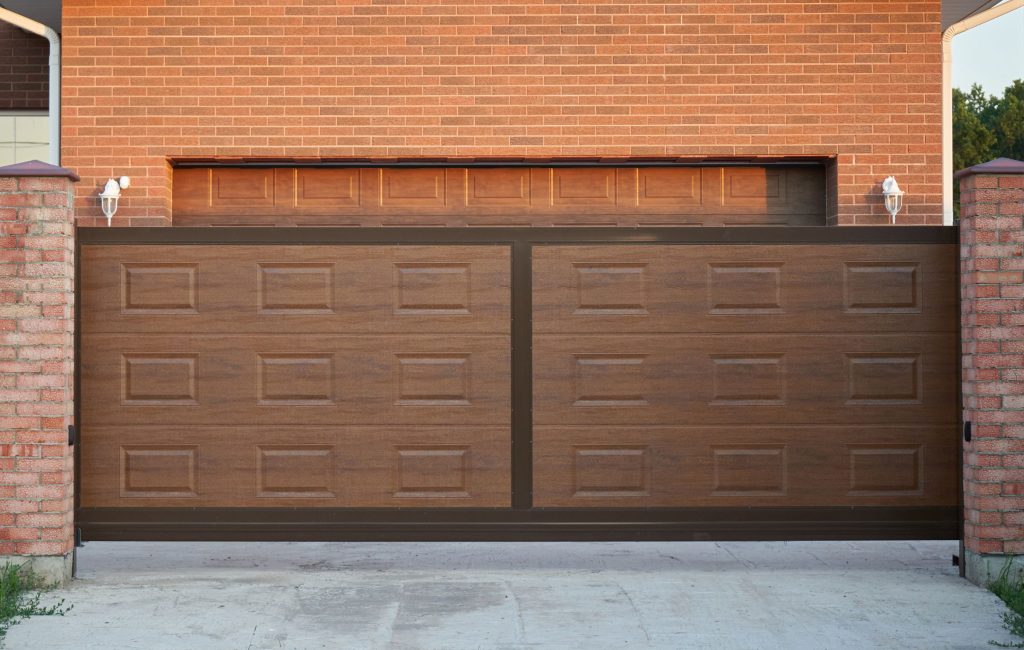
In The Colony, gate installation The Colony often means more than a front driveway gate – it can also mean golf cart access, rear lanes, and an extra way in for family vehicles.
Some homes have more than one path in and out. Cars may use the front drive. The garage may face a back lane. A golf cart may use a side path. When that happens, one standard gate is not always enough. The gate plan should match how the home moves each day.
This guide explains how a custom gate installation can support carts, cars, and back entry in a simple way. You will learn how to place openings, pick the right gate movement, and keep the look clean and matched from front to back
When a Standard Driveway Gate Isn’t Enough
A normal driveway gate is made for one job. It opens for the car, then it closes. But some properties use a rear lane, a side entry, or a golf cart path. That changes the plan.
In The Colony, it is common to see back lanes used for trash day, quick garage entry, or service visits. If the only gate is placed for the front drive, the back area can feel messy or unprotected. A better plan gives each entry point a clear purpose and makes daily movement feel simple.
Designing for Golf Cart Traffic Without Oversizing the Entrance
A golf cart is smaller than a car, so it does not need a huge opening. A golf cart gate can be sized to fit the cart with room to steer. The goal is easy driving without making the fence line look too open.
A good cart gate also feels like it belongs with the rest of the fence. If the main gate is tall and clean, the cart gate should match that look. This is part of gate design colony planning. When the design matches, the smaller gate does not look like a last minute add-on.
Rear-Lane Access Needs a Different Kind of Gate Logic
A back lane is not like a wide front street. It can be tight, busy, and full of corners. That is why a rear lane gate needs different thinking. You have to plan for how a car turns in, where it stops, and what space the gate needs to open.
Many back entries also sit close to garages, fences, or bins. If the opening is placed wrong, it can feel annoying every time you drive in. A well planned alley access gate keeps the lane clear and makes it easier to use the back entry day after day.
Separate Openings for Cars and Smaller Vehicles
Sometimes the best choice is two openings. One can be for cars, and one can be for carts or small utility trips. This helps the main gate do less work, and it makes quick trips easier.
Here are a few reasons people like this setup:
The big gate opens less, so it can get less wear
The small gate can be placed right where the cart path is
It helps when two people come home at the same time
This kind of layout can turn one tricky entry into a smooth system. It also helps a vehicle entry gate feel calm, not crowded.
Looking for Professional Gate Repair You Can Depend On?
We provide prompt service and guaranteed quality. Call Now (972) 947-9559
Why Extra Vehicle Entry Should Still Look Intentional
Extra access points are helpful, but they should not look random. A gate can be useful and still look like it fits the home. That means matching the fence style, the gate shape, and the finish.
Many homeowners like a custom iron gate because it can be made to match details on the home. Iron can also be shaped in clean lines or simple patterns. When done well, the added opening looks like part of the plan, not a patch.
Balancing Convenience, Security, and Curb Appeal
A gate should help you feel safe, but it should also feel easy to use. If a gate is hard to open or slow to work, people may leave it open. That is not what anyone wants.
A good the colony gate setup finds a middle ground. It keeps the entry points neat and private, but it still lets you move in and out without stress. The look matters too, because gates sit right on the edge of the home. They are one of the first things people see.
Sliding vs Swing Gates for Tight Rear Access Areas
Two common styles are swing and sliding gates. A swing gate opens like a door. A sliding gate moves sideways along the fence line. In a tight rear lane, the way a gate moves can matter more than the gate size.
Swing gates need space to swing. If the lane is close, that space may not be there. A sliding option can work better when space is tight. Many people ask about sliding gate colony options for this reason, because sliding can keep the lane clearer while the gate opens.
Planning Clearance Around Pavement, Grade, and Corners
A gate does not live in a perfect flat world. The ground can slope, the lane can angle, and the driveway can curve. All of that changes what will work.
When planning, a few simple checks help a lot:
Turning room for cars and carts at the entry
Slope that might make a swing gate scrape
Space along the fence line if the gate needs to slide
This is where custom gate installation really matters. Small layout choices can make a big difference in how the gate feels every day.
Choosing Materials That Hold Up to Frequent Use
If you open a gate many times a day, it needs to be strong. The hinges, rollers, and latch parts all get used a lot. The gate material also matters, because a heavy gate needs solid support and the right operator.
Iron and steel are strong and can last a long time when built well. Aluminum is lighter and can be easier on the motor. Wood can look nice, but it needs more care over time. The best choice depends on how often the gate moves and what weather it faces.
Automation Features That Make Multi-Access Living Easier
An automatic driveway gate can make life feel simpler, especially when you use more than one entry. With the right setup, you can open a gate from the car, from a golf cart, or from the house.
Common features people like include a keypad for codes and remotes for quick entry. Sensors can also help the gate stop if something is in the way. When you have a cart gate and a car gate, automation can be set so each one opens in a way that fits its job.
Keeping the Rear Entrance Secure Without Making It Awkward
Back entries are often quieter than the front. That can be nice, but it also means you want good security. The key is to make security feel normal, not hard.
Good lighting helps a lot. A camera can help too, especially if you use the back lane often. Strong locks and good access control matter, but the gate still needs to be easy for the family to use. When it is easy, it stays closed more often, and that is a big win.
Building a Gate System That Fits the Property’s Rhythm
The best gate plan follows the flow of your home. If you drive in the back every day, the back gate should feel smooth. If the golf cart goes out often, the cart gate should be simple and quick. When each entry has a clear job, the whole property feels easier to live in.
This is also how added access points can look clean. A matched style, good spacing, and smart placement make the openings feel like they belong. Whether you need a front entry, a rear lane gate, or an alley access gate, the right plan makes daily life calmer.
Frequently Asked Questions (FAQ)
How wide should a golf cart gate be?
Most golf carts can fit through a smaller opening than a car. The best width depends on how straight the cart drives toward the gate. If the cart turns in at an angle, a little extra space helps.
Is a sliding gate better for rear lanes?
Sometimes, yes. If a swing gate would block the lane or hit nearby areas, sliding can work better. The space beside the opening matters, since the gate needs room to slide.
Can I have two gates, one for cars and one for carts?
Yes. Many homes like a main vehicle entry gate plus a smaller cart or utility gate. It can make daily trips easier and can reduce wear on the main gate.
What material is best for frequent use?
Iron and steel are strong choices. Aluminum is lighter and can be easier on motors. The right pick depends on the size of the gate and how often it opens.
What is the big benefit of automation?
Automation saves time and effort. With the right controls, you can open the gate quickly for a car, a cart, or a service visit, without hopping out each time.
Can the new gate match my fence and home style?
Yes. A custom iron gate or a matched metal design can be built to fit your fence style so it looks planned, not patched in.
What about a gate for a back lane in The Colony?
A back lane setup needs careful layout for turning space and opening direction. A well planned the colony gate design can make rear entry feel easy and secure.